
Table of Contents
- What Waiving a Home Inspection Really Means
- Why Buyers Waive Inspections in Competitive Markets
- Hidden Defects and Costly Repairs You Won’t See
- Should You Waive a Home Inspection?
- Home Inspection Red Flags and What They Cost
- Pre-Offer Home Inspection as a Competitive Alternative
- Legal and Financial Protections You Lose
- How to Make Your Offer Competitive Without Waiving the Inspection
- Frequently Asked Questions
Last Updated: October 11, 2026
What Waiving a Home Inspection Really Means
Understanding the risks of waiving home inspection is crucial, as it’s a major financial decision that many buyers don’t fully grasp.
Waiving the inspection means you agree not to hire a professional to evaluate the property’s condition before closing. You accept whatever you see and whatever happens after you own it. Waiving the inspection contingency is different, it means you keep the right to inspect, but you remove the clause that lets you back out or renegotiate if problems emerge.
Waiving the Inspection vs. Waiving the Contingency
When you waive the inspection contingency, you can still hire an inspector but can’t use findings to back out or request repairs. Waiving the inspection entirely means no professional evaluates the property, you’re buying blind. The key distinction: one removes negotiating power; the other removes information entirely.
Why Buyers Waive Inspections in Competitive Markets
In hot markets, sellers demand waived inspections because inspection reports uncover problems that give buyers negotiating leverage. Buyers feel pressure to compete and waive inspections to stay attractive, even when risky, because the emotional weight of losing a home overrides financial analysis.
The Financial Math Behind the Decision
Many buyers compare the wrong numbers. They see inspection costs ($400-$600) and think waiving saves money. They should compare that against one major defect, foundation problems, roof failure, or electrical hazards, which cost $10,000 to $50,000 or more.
80% of homes inspected have at least one defect, and 25% have issues serious enough to affect the purchase decision. Waiving inspection on a pre-2000 home means accepting a one-in-four chance of discovering a major problem after closing, when you bear 100% of repair costs.
A pre-offer inspection costs $400-$600 upfront but lets you learn about problems before emotional commitment and negotiate from knowledge instead of hope.
Market Conditions That Actually Justify Waiving
Waiving an inspection makes sense only in narrow circumstances:
New construction from an established builder. Builders carry warranty coverage for structural defects, HVAC, plumbing, and electrical systems for 1-10 years. Hidden water damage, mold, or deferred maintenance are unlikely. A pre-closing walk-through inspection still catches construction defects before warranty periods begin.
Recently renovated homes with full documentation. If the seller provides permits, invoices, and inspector sign-offs for major work, you have third-party verification of condition.
Buyer’s market conditions. When inventory is high, you have negotiating power and can require an inspection contingency and still win.
Your own professional expertise. If you’re a licensed contractor, engineer, or home inspector, you can evaluate certain systems yourself, though specialists often catch things general knowledge misses.
Outside these scenarios, waiving the inspection is a financial bet you shouldn’t take. The seller’s preference for a waived contingency reflects their interest, not yours.
Hidden Defects and Costly Repairs You Won’t See
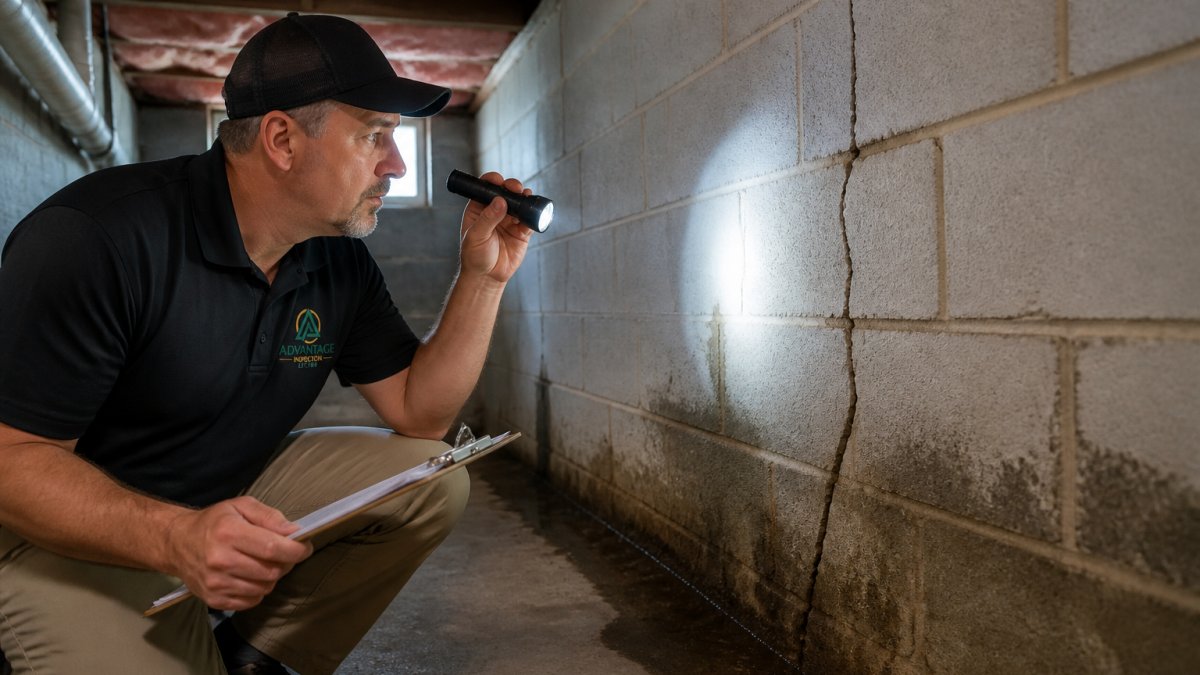
Without an inspection, you won’t know about problems until after closing, when you have no recourse. Common hidden defects, water damage, mold, outdated electrical systems, failing HVAC, hide behind walls, under floors, and in attics.
Structural Problems and Foundation Damage
Foundation cracks are expensive to fix and easy to miss without training. Large, horizontal, or growing cracks signal serious problems. A professional inspector spots foundation settlement, water intrusion, or structural movement. Fixing a failing foundation costs $10,000 to $50,000 or more; an inspection costs a few hundred dollars.
Roof, HVAC, Plumbing, and Electrical Issues
A roof nearing the end of its life needs replacement within a few years ($15,000-$25,000). HVAC systems fail silently and cost $5,000-$15,000 to replace. Plumbing hides in walls; outdated electrical creates fire hazards and insurance problems. An inspector evaluates all these systems; without that report, you’re guessing.
Safety Hazards and Code Violations
Some problems are dangerous: electrical code violations create fire risks, gas leaks threaten safety, asbestos poses health risks. Insurance companies won’t cover homes with certain violations. An inspection identifies these issues before you buy. Hidden foundation flaws or load-bearing defects often require sophisticated methods for managing structural risks that extend well beyond the scope of a standard pre-purchase evaluation.
Should You Waive a Home Inspection?
Almost never. The risks of waiving home inspection are substantial and only justified for new construction with builder warranty or recently renovated homes with full documentation. For any other purchase, especially older homes, get an inspection. The cost is minimal compared to the protection it provides.
Waiving the inspection contingency is slightly less risky than waiving the inspection entirely, but it still leaves you vulnerable. You’ll have information, but no way to use it to protect yourself. The seller knows you can’t back out, so they have no incentive to disclose problems or negotiate repairs.
Home Inspection Red Flags and What They Cost
Water damage suggests foundation problems; mold indicates moisture issues; outdated wiring suggests electrical upgrades; roof leaks mean replacement is coming. A professional inspector catalogs findings and estimates repair costs, becoming your roadmap for negotiation.
Common expensive findings include:
- Foundation cracks or settling: $10,000-$50,000+
- Roof replacement: $15,000-$25,000
- HVAC replacement: $5,000-$15,000
- Electrical system upgrades: $3,000-$10,000
- Plumbing replacement: $5,000-$20,000
- Mold remediation: $2,000-$6,000
Pre-Offer Home Inspection as a Competitive Alternative
Smart buyers get a pre-offer inspection before making an offer. You hire an inspector while the property is listed, pay upfront, and use results to inform your offer price or walk away. This gives you information without waiving contingency. Sellers accept this because you’re a serious buyer who’s already done homework and won’t delay closing.
A pre-offer inspection costs $400-$600 upfront, but it’s money well spent. You discover problems before you’re emotionally invested in the property. You negotiate from a position of knowledge instead of hope.
Legal and Financial Protections You Lose
When you waive an inspection, you lose legal protections. Many states require sellers to disclose known defects, but without an inspection, you can’t prove the seller knew about problems. Your lender’s appraisal estimates value, not condition. Homeowners insurance won’t cover pre-existing defects discovered after purchase.
How to Make Your Offer Competitive Without Waiving the Inspection
Strong offers combine speed, proof of financial strength, and strategic flexibility, not waived inspections.
The Pre-Offer Inspection Strategy
The most effective competitive alternative is the pre-offer inspection. You hire an inspector to evaluate the property while it’s still listed, before you make an offer.
How this works in practice:
- You identify a property you’re interested in.
- You contact a home inspector and schedule an inspection for the same day or next day (many inspectors accommodate rush requests for a small fee).
- You receive the inspection report before the listing agent’s deadline for offers.
- You use the report to inform your offer price, your repair requests, or your decision to walk away.
- Your written offer includes standard inspection language: “Buyer has completed a pre-offer inspection. Inspection contingency waived” or “Inspection contingency limited to specialist evaluations only (pest, radon, structural).”
This signals to the seller that you’re a serious, organized buyer who’s already done homework. You’re not delaying closing with a lengthy inspection period.
Sellers often prefer this to a standard inspection contingency because the timeline is compressed and the buyer has already committed to moving forward. Your offer remains competitive without exposing you to unknown defects.
Cost-benefit: You spend $400-$600 out of pocket. In return, you avoid the risk of discovering a $20,000 foundation problem after closing.
Structuring the Offer for Speed and Proof
Beyond the pre-offer inspection, competitive offers combine three elements:
1. Proof of financial strength
- Provide a pre-approval letter from your lender, not just a pre-qualification. Pre-approval means a lender has verified your income, credit, and assets. It carries more weight than pre-qualification.
- If you’re paying cash or have significant down payment savings, include a bank statement (with identifying information redacted) showing available funds.
- Include a statement that you have no contingencies on the sale of another property. Sellers fear that your offer depends on selling your current home first.
2. Shortened timelines
- Offer a 7- to 10-day inspection period instead of the standard 14 days. This tells sellers you’re organized and won’t use inspection findings as a reason to delay.
- Offer a 30-day closing instead of 45 days if your lender can accommodate it. Faster closing reduces the seller’s risk that financing falls through.
- Commit to a specific closing date in writing. Vague timelines make sellers nervous.
3. Earnest money and flexibility on terms
- Increase your earnest money deposit to 2-3% of the purchase price instead of the standard 1%. This shows financial commitment and reduces the seller’s worry that you’ll back out.
- Offer to cover more closing costs. If the seller typically pays 2% of closing costs, offer to cover 3% or 4%. This costs you money but makes your offer more attractive without waiving inspections.
- Offer a longer closing period if the seller needs time to find a new home. Flexibility on your timeline can offset a standard inspection contingency.
- Agree to a rent-back clause if the seller needs to stay in the home after closing. This removes friction from the transaction.
Sample Offer Language for Inspection Contingencies
Here are three approaches your agent can discuss with you:
Option 1: Pre-Offer Inspection (Lowest Risk)
“Buyer has completed a pre-offer inspection on [date]. Inspection contingency is waived. Buyer reserves the right to conduct specialist inspections (pest, radon, structural) at Buyer’s expense within 5 days of acceptance. Findings from specialist inspections are for Buyer’s information only and do not constitute grounds for renegotiation or termination.”
Why this works: You’ve already inspected the general condition.
Option 2: Shortened Standard Contingency (Moderate Risk)
“Inspection contingency: 7 days from acceptance. Buyer may request repairs for defects exceeding $2,500 in cost.
Why this works: You retain the right to inspect and back out, but the compressed timeline and repair cap signal that you’re not looking for minor issues to renegotiate.
Option 3: Informational Inspection (Higher Risk)
“Buyer may conduct an inspection within 5 days of acceptance for informational purposes only.
Why this works: You get information without negotiating power.
When to Use Each Approach
- Pre-offer inspection: Competitive market, older home (pre-1980), visible signs of deferred maintenance, property you’re very interested in.
- Shortened standard contingency: Competitive market, home built 1980-2000, no major visible issues, you want some negotiating power.
- Informational inspection: New construction, recently renovated with documentation, buyer’s market, or you’ve already completed a pre-offer inspection.
The most competitive offers combine proof of financial strength, speed, and reasonable contingencies. Sellers trust organized, serious buyers more than desperate ones. A pre-offer inspection signals that you’re both serious and informed, a combination that often beats a waived contingency. Your agent can help you decide which approach fits your market and property.
Frequently Asked Questions
What is the difference between waiving a home inspection and waiving an inspection contingency?
Waiving the inspection means you forgo the inspection entirely and never learn the property’s condition. Waiving the inspection contingency means you still get the inspection but agree you won’t cancel the contract based on findings. The contingency protects you by allowing contract termination if serious defects emerge. Waiving the contingency removes that legal protection, leaving you liable for repairs even if major problems surface after closing.
What are the financial risks of waiving a home inspection?
Without an inspection, you lose visibility into costly repairs: foundation cracks can cost $10,000 to $50,000, roof replacement runs $10,000 to $25,000, and HVAC system failures range from $5,000 to $15,000. Pest damage, electrical hazards, plumbing failures, and code violations add thousands more. You also risk insurance denial if undisclosed defects make the property uninsurable, and you lose negotiating power to ask the seller for repairs or credits.
Is it smart to waive a home inspection?
Waiving a home inspection is rarely smart. It exposes you to hidden defects, unexpected repair costs, safety hazards, and potential insurance and resale problems. A competitive market may pressure you to waive it, but practical alternatives exist: offer a shorter inspection period, conduct a pre-offer inspection before making an offer, or include an inspection contingency with a tight timeline. These strategies let you compete while protecting your investment and health.
What home inspection red flags should concern me most?
Critical red flags include foundation cracks, roof deterioration, water intrusion, mold, outdated electrical systems, plumbing failures, HVAC breakdown, pest damage, and building code violations. These issues directly affect safety, insurability, and resale value. A professional inspection report identifies these problems with photographic evidence and repair cost estimates, giving you the data to negotiate, request repairs, or walk away before closing.

Recent Comments