
Table of Contents
- What a Sewer Scope Inspection Is and Why It Matters
- How a Sewer Scope Inspection Is Performed Step by Step
- What a Sewer Scope Inspection Looks For
- Sewer Scope Inspection Duration: How Long It Takes and What Affects Timing
- Limitations: What a Sewer Camera Cannot Assess
- What to Do After a Sewer Scope Inspection
- Who Is Responsible for the Lateral Sewer Line?
- Frequently Asked Questions
Last Updated: October 5, 2026
What a Sewer Scope Inspection Is and Why It Matters
A sewer scope inspection is a video examination of the underground pipe that carries waste from a home to the public sewer system.
Most buyers never think about the sewer line until it backs up. By then, they own the problem.
A standard home inspection does not cover the sewer line. Inspectors check the roof, the wiring, the foundation, and the furnace.
The main sewer line, also called the lateral sewer line, runs from the house to the street.
A sewer scope is the one part of due diligence that looks underground. Skipping it means buying the most expensive hidden system in the house sight unseen.
How a Sewer Scope Inspection Is Performed Step by Step
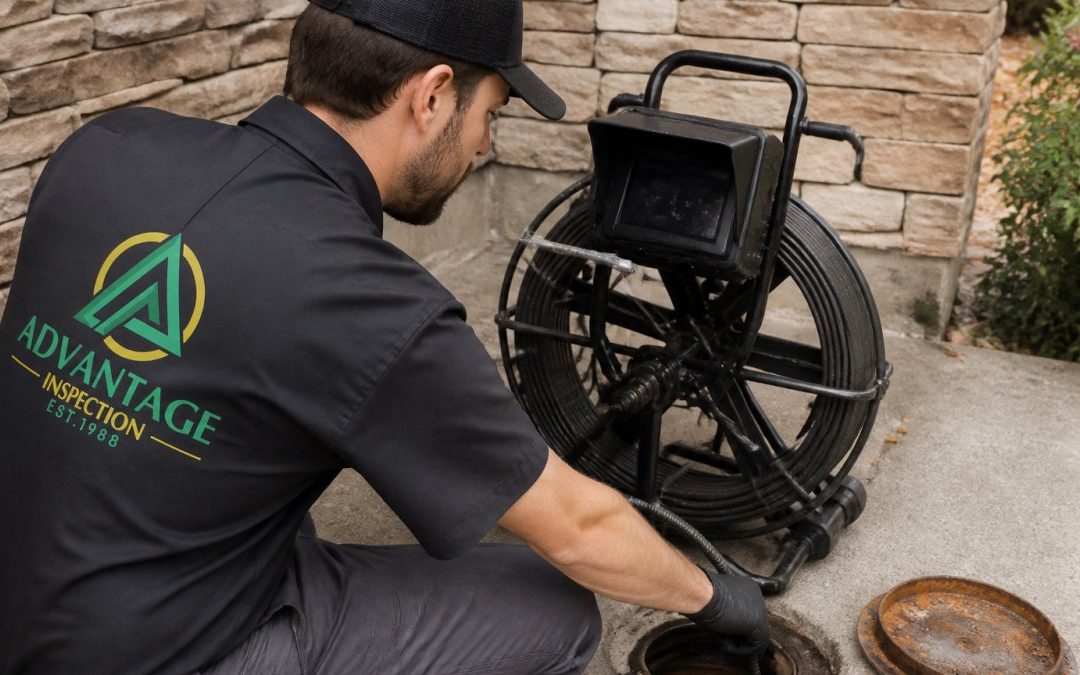
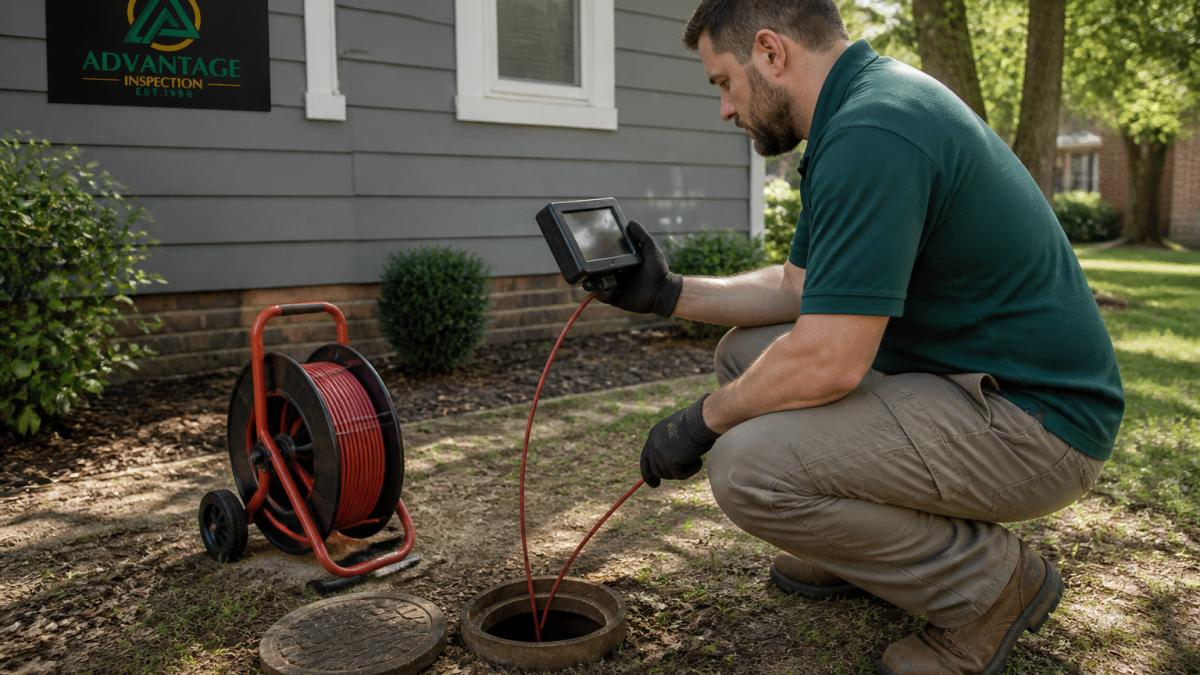
The process takes less than an hour in most cases. The technician locates an access point, feeds a push cable into the pipe, and watches a live feed on a monitor.
Here is how a sewer scope inspection is performed, step by step:
- Find the cleanout, the capped access point near the house or at the property line.
- Remove the cap and check for standing water or blockages at the opening.
- Feed the push cable into the pipe, guiding the camera head through the line.
- Watch the monitor as the camera travels toward the main sewer line.
- Note cracks, root intrusion, bellies, and joint separations along the way.
- Record the full video inspection for the report.
- Pull the cable back and replace the cleanout cap.
Once the camera has mapped the sewer line, a comprehensive assessment often requires integrating these findings with broader residential plumbing inspection services to ensure the entire home system remains free of hidden defects.
How to Prepare Your Home Before the Inspector Arrives
Clear access to the cleanout before the technician shows up. Move boxes, planters, or debris blocking the cap. If you do not know where the cleanout is, ask. Most homes have one near the foundation or in the front yard.
Also, avoid running water during the inspection. Laundry, showers, and dishwashers can distort the footage. A dry line gives the camera a clearer view of the pipe walls.
What a Sewer Scope Inspection Looks For
A camera inspection reveals the condition of the pipe from the inside out. It catches problems that no surface inspection can detect.
Common findings include:
- Tree-root intrusion through joints and cracks
- Blockages from grease, wipes, or debris buildup
- Cracked or broken pipe sections
Tree-Root Intrusion, Blockages, and Pipe Damage
Tree-root intrusion is the most common finding in older neighborhoods. Roots find tiny gaps at pipe joints and grow toward the moisture inside.
Blockages build from grease, paper, and wipes that never break down. A camera shows exactly where the obstruction sits and how severe it is.
Pipe damage is the finding that changes negotiations. A cracked or collapsed line needs repair or replacement, and that work means digging.
Do not confuse a slow drain with a minor clog. A recurring backup often signals root intrusion or a collapsed section. The camera is the only way to know which one you are dealing with.
Sewer Scope Inspection Duration: How Long It Takes and What Affects Timing
A sewer scope inspection usually takes 30 to 60 minutes. The exact time depends on the length of the line, the access point, and what the camera finds.
Factors that extend the inspection:
- A long lateral line between the house and the street
- Heavy root intrusion that slows the camera
- No accessible cleanout, requiring a different entry point
When the line is clear and the cleanout is easy to reach, the inspection wraps up quickly. When the camera hits an obstruction, the technician may need to work the cable back and forth to get past it.
Limitations: What a Sewer Camera Cannot Assess
A sewer camera shows the inside of the pipe. It cannot see through the pipe walls or into the soil around it.
What the camera misses:
- The condition of the soil surrounding the pipe
- Whether the pipe sits below the water table
- Early-stage corrosion that has not yet pitted the wall
A camera inspection is a visual assessment, not a structural test. It shows what the lens can reach. If the technician cannot push past a blockage, the footage stops there. That is why the written report matters as much as the video.
What to Do After a Sewer Scope Inspection
The useful part is the report that comes with it, and knowing how to read both before you decide anything.
How to Read the Video and the Written Report
A standard deliverable from a sewer scope is two things: the recorded footage and a written summary. The footage is the raw evidence. The report is the interpretation, and it is where the useful detail lives.
When you review the report, look for these elements:
- Access point used. The report should say whether the technician entered through the cleanout, a roof vent, or a pulled toilet. Entry point affects how much of the line was actually seen.
- Footage of the line. Many reports mark the distance in feet from the access point, so a defect at “42 feet” tells a plumber where to dig or where to run a cutter head.
- Defect descriptions. Terms like root intrusion, offset joint, bellied section, crack, collapse, and scale have specific meanings. A “bellied” pipe sags and holds water; an “offset joint” is a lip where two pipe sections no longer line up. Those are different repairs.
Match the Finding to the Next Step
Use the table below as a starting point, then confirm with a licensed plumber before you commit to a repair scope.
| Finding | Urgency | Typical Next Step |
|---|---|---|
| Minor root intrusion (light, at joints) | Monitor | Preventive cleaning every 12-24 months |
| Grease, wipes, or debris buildup | Low | Hydro-jetting to clear the line |
| Cracked pipe section | Medium | Get a repair estimate before closing |
| Separated or offset joints | Medium | Ask for a repair quote; joint repair may be trenchless |
| Bellied section holding water | Medium to high | Camera re-check after cleaning; may need spot repair |
| Collapsed or misaligned line | High | Negotiate repair costs or walk away |
| Camera could not pass | Unknown | Treat as unresolved; get a plumber’s evaluation |
When to Get a Second Opinion
A sewer scope is a visual assessment, not an engineering report. If the findings are severe, or if the report is vague about location or severity, ask a licensed plumber to review the footage. The video file is portable, you can send it to a second contractor for an independent read. Most plumbers will do this for a modest fee or as part of a repair quote.
Ask for the video file, not just the written summary. A plumber can review the footage later and give you a second opinion on repair options and cost, and the file is useful if you need to negotiate with the seller.
What to Do If You Are the Seller
If you are selling and the buyer’s inspection turns up findings, you have three practical options: fix the issue before closing, credit the buyer the estimated repair cost, or disclose and let the buyer decide. A written plumber’s estimate is the cleanest way to support any of those paths.
Who Is Responsible for the Lateral Sewer Line?
The lateral line runs from the home to the public main under the street. Who pays to fix it depends on where the property line, the curb, and the utility’s maintenance boundary fall, and those lines do not always match.
The Two Common Boundary Conventions
Most jurisdictions use one of two splits:
- Cleanout-to-curb. The homeowner is responsible from the house to the curb or the property line; the utility owns everything from the curb to the main. This is common in many municipal systems.
- Cleanout-to-main. The homeowner is responsible for the entire lateral, including the portion under the street, up to the point where it connects to the public main. This shows up in some older cities and in areas where the utility only maintains the main itself.
A third arrangement exists in some areas: a private lateral that runs under a shared easement or through a neighbor’s yard. In that case, responsibility can be shared or assigned by easement language, not by the curb line.
What the Cleanout Tells You
The cleanout, the capped vertical pipe near the house or at the property line, is often the practical boundary marker. If the cleanout sits at the property line, the section between the house and the cleanout is almost always the homeowner’s. If the cleanout is at the foundation, the boundary is usually further out, and you need the local rule to know where it falls.
How to Verify the Rule for a Specific Property
Do not assume. Before closing, confirm the boundary in writing:
- Call the local sewer authority or municipal public works department and ask where homeowner responsibility ends on a residential lateral.
- Ask the utility whether it maintains any portion of the lateral beyond the main.
- Check the title report or plat for easements that shift responsibility.
- If the property is in a special district or HOA, ask whether the district maintains laterals.
Why This Matters at Closing
If the camera finds damage on the homeowner’s side of the boundary, the buyer inherits that repair. If the damage sits on the utility’s side, the utility typically handles it, but the process can be slow, and the buyer may still be without service in the meantime. Knowing the boundary before you negotiate tells you which findings are the seller’s problem and which are the utility’s.
A common surprise: the cleanout is on the homeowner’s side even when it sits near the curb. Do not assume the curb is the boundary. Verify with the local authority before you rely on it in a negotiation.
Frequently Asked Questions
How long does a sewer scope inspection take?
Most sewer scope inspections take 30 to 60 minutes. The sewer scope inspection duration depends on the length of the lateral line, how easily the camera moves through the pipe, and whether the inspector finds obstructions that require a second pass. Homes with long lines, heavy root intrusion, or collapsed sections can take longer. If the inspector cannot reach the main sewer line because of a blockage, the scope may stop short and the report will note where the camera halted.
What does a sewer scope inspection look for?
A sewer scope inspection looks for blockages, debris, tree-root intrusion, cracked or broken pipes, collapsed sections, pipe misalignment, separated joints, corrosion, and buildup inside the lateral sewer line. The waterproof camera head sends live footage to a monitor, and the inspector records video for the report. Findings are graded by severity so you can tell the difference between a minor root hair that needs monitoring and a collapsed line that requires replacement before you close.
What should you do if a sewer scope inspection finds a problem?
Get the written inspection report with the video footage, then ask a licensed plumber for a repair estimate on the specific defect. Minor findings like light root intrusion may only need routine maintenance, while cracked, collapsed, or misaligned pipes usually require repair or replacement. Use the estimate to negotiate with the seller, request a repair credit, or walk away if the cost is significant. If you already own the home, schedule the repair before the problem becomes a sewer backup.
Do I need a permit to fix my sewer line?
In most cases, yes. Sewer line repairs and replacements typically require a permit from your local building or utilities department, and the work must be done by a licensed plumber. Permit requirements vary by jurisdiction, so confirm with your local office before work begins. Skipping the permit can cause problems at resale, since a future buyer’s inspection may flag unpermitted work. Ask your plumber to pull the permit and provide documentation when the job is complete.
The sewer line is the one system you cannot see, and it is often the one that fails first. Advantage NC has inspected homes across the Triangle since 1988, with more than 500,000 inspections performed and a 4.9-star rating from over 1,900 reviews. Our sewer scope service pairs detailed reports with a 30-day protection program, so you know exactly what you are buying before you sign. Schedule your inspection with Advantage NC and close with confidence.

Recent Comments