

Your home’s exterior is like its protective shield against whatever Mother Nature throws its way. From the roof shingles to the foundation, every part works together to keep your indoor spaces safe, dry, and super comfy. But let’s be real, over time, all that sun, rain, wind, and ice really start to take a toll. Being proactive about exterior house care isn’t just about making your house look good; it’s a super important investment in keeping your home structurally sound and valuable for the long haul.
This guide will walk you through the must-do maintenance tasks for your home’s exterior, giving you practical steps to protect your biggest asset.
Protecting Your Foundation
Think of your foundation as the absolute bedrock of your home – protecting it is crucial. Most foundation troubles boil down to one main culprit: water. When the soil around your foundation gets soaked, it swells up, pushing hard against those concrete walls. Then, when it dries out, it shrinks, causing the foundation to shift or settle. This constant back-and-forth can lead to cracks, leaks, and some serious structural damage.
The best way to protect your foundation is to get a handle on moisture. Start by checking how the land slopes around your house. The ground should gently angle away from your foundation on all sides, dropping at least six inches over the first ten feet. This makes sure rainwater flows away from your home instead of puddling right up against it. If you spot any low spots or areas where water tends to collect, you might need to add some topsoil to build up the grade.
Also, make it a habit to regularly inspect your foundation walls for any warning signs. Look for cracks (vertical or horizontal), crumbling concrete, or those white, chalky spots that can mean moisture is seeping through. Tiny hairline cracks are often normal, but if you see any crack wider than a quarter-inch, it’s a good idea to have a professional take a look. Keep bushes, trees, and other landscaping a few feet away from the foundation. This stops roots from causing damage and helps the area dry out properly.
Roof Care and Inspections
Your roof is probably the most important and most exposed part of your home’s exterior. A healthy roof keeps you safe from rain, snow, and sun, but even the toughest materials won’t last forever without a little TLC. Regular check-ups are key to making it last longer and stopping small leaks from turning into huge water damage inside your house.
At least twice a year, ideally in spring and fall, grab some binoculars and do a visual check from the ground. Look for common signs of wear and tear:
- Shingles that are missing, cracked, or curling up
- A lot of shingle granules showing up in your gutters
- Moss or algae growing, which can trap moisture
- Damaged flashing around chimneys, skylights, and vents
Flashing is that thin metal strip designed to direct water away from joints and seams. If it’s bent, rusty, or pulling away from the roof, it creates a direct path for water right into your attic.
Following these tips for roof maintenance can help you spot potential issues early. If you notice any major damage or you’re not comfortable doing the inspection yourself, it’s always smartest to call in a professional roofing contractor. They can safely get up on the roof for a closer look and handle any necessary repairs.
Managing Rainwater Effectively
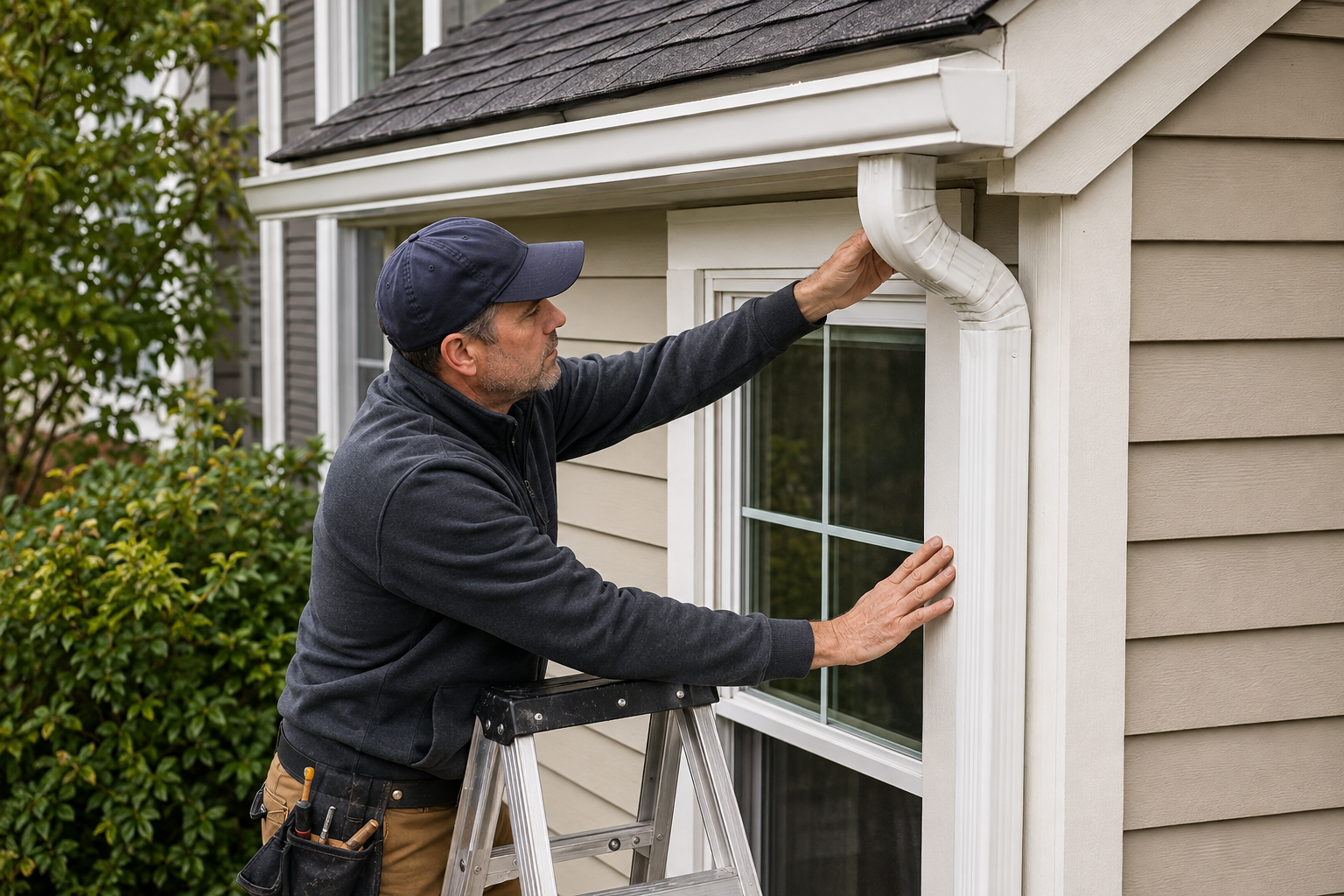
A working rainwater system is your foundation’s best friend. Gutters and downspouts are built to catch all that water pouring off your roof during a storm and guide it safely away from your house. Without them, water would just stream down your walls and soak the ground around your foundation, leading straight to those moisture problems you’re trying to avoid.
For this system to do its job, it needs to be clean and in good shape. Clogged gutters are a huge reason for exterior home damage. When leaves, twigs, and other gunk block the water flow, it has nowhere to go but over the edge. This can cause water to sneak behind your siding, rot the fascia boards your gutters are attached to, and even leak into your attic or basement. In winter, clogged gutters can lead to ice dams, which can actually pry shingles loose and seriously damage your roof.
Cleaning them regularly is a must, especially in the fall. You should also check your gutters for any sagging, leaks, or sections that have pulled away from the house. Make sure your downspouts extend at least four to six feet from your foundation to send water far away from your home. If you keep having issues or your system is old and damaged, it might be time to think about professional gutter services for repair or replacement. Modern seamless gutters and gutter guards can really cut down on maintenance and boost how well they work.
Siding and Trim Upkeep
Your home’s siding and trim don’t just make it look good; they’re also a super important barrier against the weather. Keeping them in good shape stops moisture from getting into your walls, which could lead to rot, mold, and even pest problems. The kind of maintenance you’ll need depends a lot on what material your home is made of.
- Wood Siding: Wood is beautiful but needs the most attention. You’ll want to regularly check it for peeling paint, rot, or bug damage. A good coat of paint or stain is its main defense against moisture, so plan to repaint or restain every 5-10 years, or as soon as you see signs of wear. The caulk around windows, doors, and corner trim should be checked annually and replaced if it’s cracking or pulling away.
- Vinyl Siding: Vinyl is a low-maintenance choice, but it’s not “no-maintenance.” It should be washed once a year with a soft-bristle brush and a mild detergent to get rid of dirt, mildew, and grime. While you’re washing, look for any cracks, chips, or loose panels that could let water sneak in behind the siding.
- Brick and Stone: Masonry is incredibly tough but not totally indestructible. The main thing to watch out for is the mortar between the bricks or stones. Check the mortar joints for any cracking or crumbling. If the mortar is falling apart, it needs to be repointed – that’s a process of removing the old mortar and replacing it with new – to stop water from getting into the wall cavity.
No matter what material your home is made of, a yearly walk-around is a smart idea. Look for any gaps, damage, or areas that seem discolored or worn. A little caulk or a touch of paint now can save you from a huge structural repair later.
Seasonal Maintenance Checklist
Keeping up with exterior maintenance feels a lot easier when you break it down into smaller, seasonal tasks. A consistent schedule means nothing gets missed and helps you get your home ready for the weather ahead. Many of these are simple preventative home maintenance tasks you can tackle yourself in an afternoon.
Spring:
- Check the roof for any damage from winter.
- Clean out gutters and downspouts from winter debris.
- Look for peeling paint on siding and trim; plan for touch-ups.
- Examine caulk around windows and doors and reapply if needed.
- Wash windows and screens.
- Inspect the foundation for any new cracks.
Summer:
- Wash siding to remove pollen, dirt, and mildew.
- Check for signs of pests like termites or carpenter ants, especially around wood.
- Inspect decks and patios; clean and reseal wood surfaces as needed.
- Trim overgrown trees and shrubs away from the house.
Fall:
- Clean gutters and downspouts again after most leaves have fallen. This is the most important cleaning of the year.
- Turn off outdoor water faucets and drain hoses to prevent pipes from freezing.
- Check weatherstripping on doors and windows to stop drafts.
- Schedule a professional chimney sweep and inspection if you have a fireplace.
Winter:
- Gently remove heavy snow from the roof if it piles up, using a roof rake to avoid damaging shingles.
- Keep an eye out for ice dams forming at the edge of the roof.
- Make sure downspouts and drainage areas are clear of ice and snow so melting water can get away.
- Check the attic for any signs of leaks or condensation after heavy storms.
By consistently working through this checklist, you can deal with issues while they’re small and manageable, protecting your home’s integrity and giving you peace of mind that it’s ready for any season.
Article Links
-
- How Often Should You Clean and Inspect Your Gutters?
- Signs Your Home’s Exterior Caulking Needs to Be Replaced
- How Proper Drainage Protects Your Home’s Foundation
- Roof Maintenance Tips That Can Extend the Life of Your Roof
- How Trees and Landscaping Can Damage Your Home’s Exterior
Advantage Inspection as been inspecting homes across Raleigh and the Triangle for decades, bringing experience that goes beyond a checklist. Our focus is simple. Identify what matters, explain what it means, and give you a clear path forward. No confusion, no guesswork, just the information you need to make a confident decision.
Advantage Inspection
919.850.2526

Recent Comments