septic inspection
Septic Inspection Scope of Services
Septic Inspection
Applicable to North Carolina | Aligned with InterNACHI Standards
Purpose of the Inspection
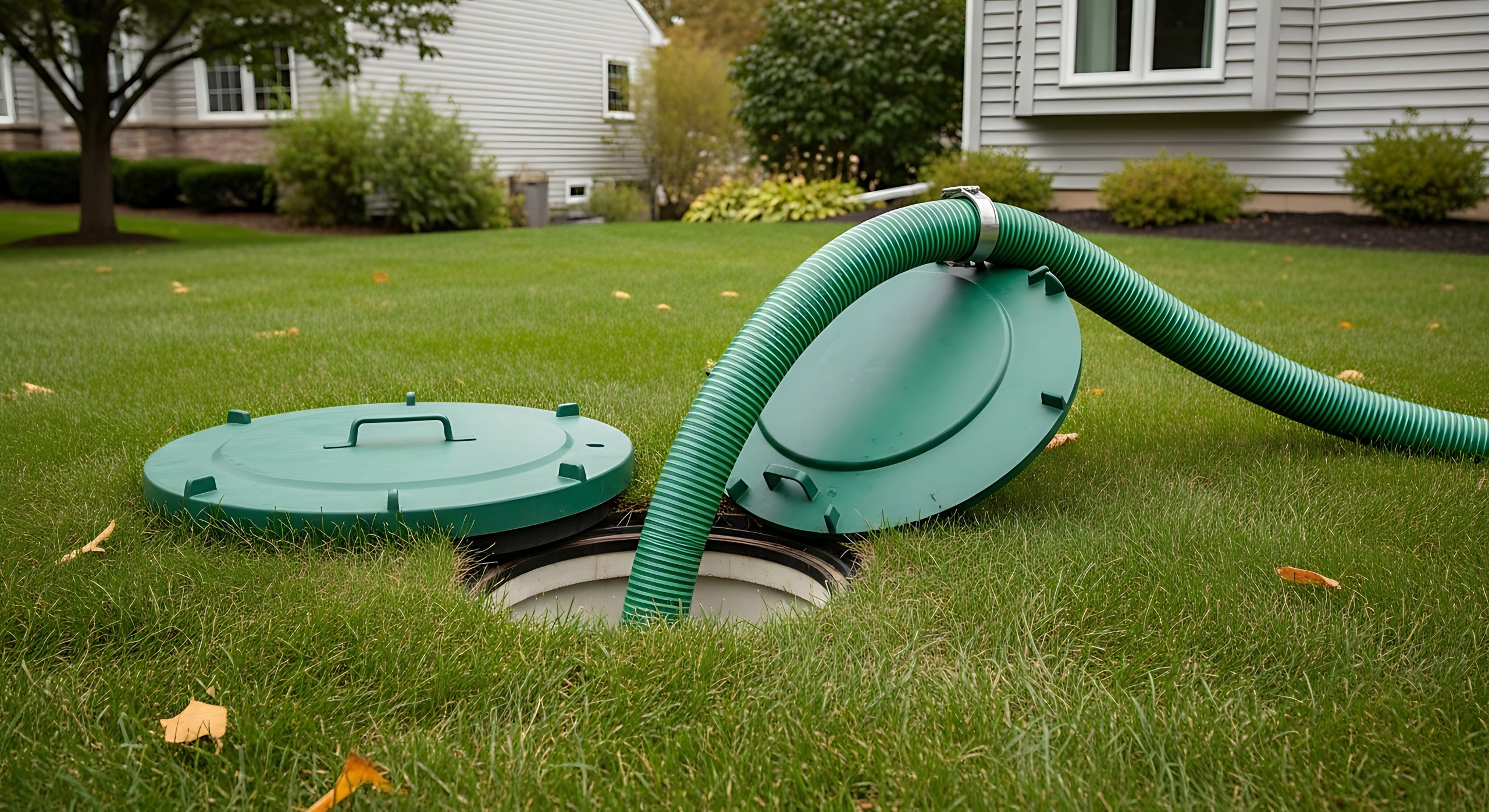
A septic inspection evaluates the system’s ability to properly collect, process, and disperse wastewater from the home. This includes key components such as the septic tank, distribution box, and when accessible, the drain field.
Septic systems operate out of sight, which makes understanding their condition critical before relying on them.
System Functionality:
We evaluate how the system is operating under normal use, including flow, drainage, and overall performance.
Component Condition:
The inspection identifies issues such as damaged tanks, deteriorated components, improper installation, or signs of system failure.
Drain Field Performance:
We assess indicators of proper absorption and dispersal, as well as signs of saturation or failure.
Cost Awareness:
Septic system repairs or replacements can be significant. Identifying concerns early helps avoid unexpected expenses after closing.
Real Estate Clarity:
Septic inspections are commonly recommended during real estate transactions to better understand system condition and expected performance.
Additional Considerations
This inspection also identifies conditions that may impact system performance, including excessive water usage, improper grading, root intrusion, and signs of poor maintenance.
North Carolina Compliance
This inspection aligns with:
- InterNACHI Standards of Practice (SOP)
- North Carolina Department of Health and Human Services (NCDHHS) guidelines
- Applicable county environmental health regulations
Client Responsibilities
- Provide access to septic components, including tank lids if accessible
- Coordinate with sellers or occupants for access to restricted areas
- Ensure water is available for flow testing
- Understand that buried or inaccessible components may limit the scope of inspection
What You Should Know!!
A septic inspection is a specialized evaluation of a home’s wastewater system, designed to determine how well it is functioning and whether it can handle normal use.
Unlike public sewer systems, septic systems require ongoing maintenance and rely on proper installation and soil conditions to work effectively. Many issues develop below ground and may not show obvious signs until the system begins to fail.
Common problems include clogged or damaged lines, distribution box issues, drain field saturation, and lack of maintenance such as overdue pumping. These issues can lead to slow drainage, backups, or costly system replacement.
Septic inspections are especially important when purchasing a home, as repair or replacement costs can range from several thousand to tens of thousands of dollars.
For buyers and homeowners, this inspection provides clarity on one of the most critical and least visible systems on the property.
.
FAQ Septic Inspections
Let Advantage Help YOU!
What does a septic inspection include?
A septic inspection evaluates the tank, distribution box, and system performance. This may include locating components, checking flow, and identifying signs of failure or improper operation on visible and accessible components.
How do I know if a septic system is failing?
Common signs include slow drains, sewage odors, standing water near the drain field, or backups. However, many systems show no warning signs, which is why an inspection is important. Note: Only the municipality’s health department may call a system failed.
Is septic pumping included in the inspection?
Septic pumping is not always included but may be recommended or coordinated as part of a more thorough evaluation depending on the system and access.
How often should a septic system be inspected?
Most systems should be inspected every 1–3 years and pumped every 3–5 years, depending on usage and household size.
Is a septic inspection required when buying a home?
While not always required, it is strongly recommended. Septic repairs can be costly, and understanding the system before closing helps avoid unexpected issues.
Get Connected to Information, Direction, Resources and Solutions by our people, home inspectors, staff and a firm that cares.


Your home is more than just where you live—it’s a valuable investment that deserves the best care. At Advantage Home Inspection NC, we know that peace of mind is key when making decisions about your home. That’s why we offer detailed, comprehensive inspections to give you a clear and complete understanding of your property’s condition.
Serving homeowners across North Carolina, from Fayetteville to Raleigh to Charlotte, our experienced team provides thorough reports that empower you to make confident, informed decisions. Your home is in good hands with Advantage Home Inspection NC.
Advantage Home Inspection… Where Peace of Mind is the Best Advantage!!