
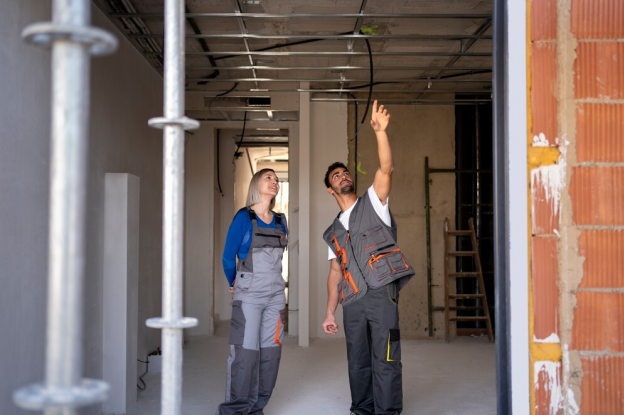
Commercial building inspections give property owners the chance to make important changes. From updating the property so it’s in accordance with the law to finding new ways to make it more energy efficient, one inspection can give you countless new ideas.
Whether you’re getting ready to sell or you want to buy and are trying to figure out what to expect from an inspection, these are the top issues you’ll find. Don’t let them scare you off, though! There are countless solutions to each of these.
Structural Integrity Issues
Structural integrity issues will come to light when a commercial property inspector steps into a building with them. These can be a cracked foundation, issues with supporting beams and walls, or many other problems.
One of the most frustrating structural integrity issues is safety. You want your employees, clients, and customers to be safe in your building, so adding details like commercial railing systems is necessary. Overlooking this issue can lead to major injuries and lawsuits.
Electrical System Problems
Electrical systems are another critical area of focus. Many older buildings have outdated wiring that may not meet current codes or handle modern electrical loads, posing a fire hazard. Inspectors check for outdated wiring, insufficient grounding, and overloaded circuits. Electrical panels are scrutinized for signs of wear and compliance with safety standards. Proper lighting is essential for safety and efficiency, so inspectors also assess the condition of lighting systems, emergency lighting, and exit signs.
Additionally, the presence and condition of a commercial generator enclosure are vital. Commercial buildings often rely on backup generators for power during outages, and these generators need to be housed in enclosures that protect them from the elements and ensure safe operation. Inspectors check the commercial generator enclosure for proper installation, adequate ventilation, and compliance with safety regulations. This ensures that the generator will function correctly and safely in case of a power failure, providing an uninterrupted power supply to the building.
Plumbing Issues
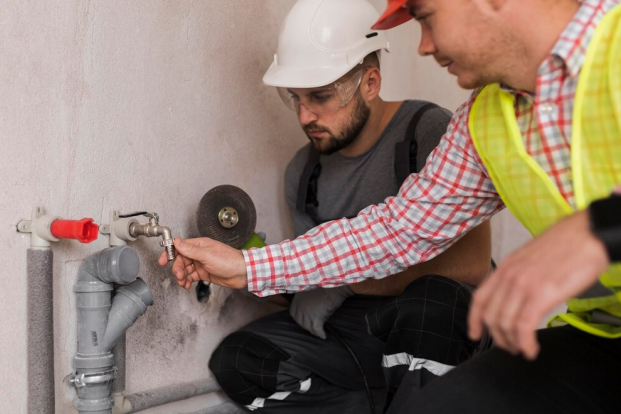
Plumbing issues are often discovered during inspections. Leaky pipes can cause significant damage over time, leading to water stains, mold, and corrosion around fixtures. Inspectors test water pressure to identify inconsistencies that may indicate blockages or leaks in the system.
Proper drainage is essential to prevent water damage and maintain sanitary conditions, so sewer lines and drainage systems are thoroughly checked for blockages and leaks.
HVAC System Deficiencies
Heating, ventilation, and air conditioning (HVAC) systems are vital for maintaining a comfortable and safe environment. Inspectors assess the efficiency and condition of heating and cooling units, looking for signs of wear, leaks, and proper maintenance.
Adequate ventilation is necessary for air quality and occupant comfort, so inspectors check for sufficient ventilation in all areas, including restrooms, kitchens, and mechanical rooms. They also examine ductwork for leaks, proper insulation, and cleanliness to ensure efficient HVAC operation.
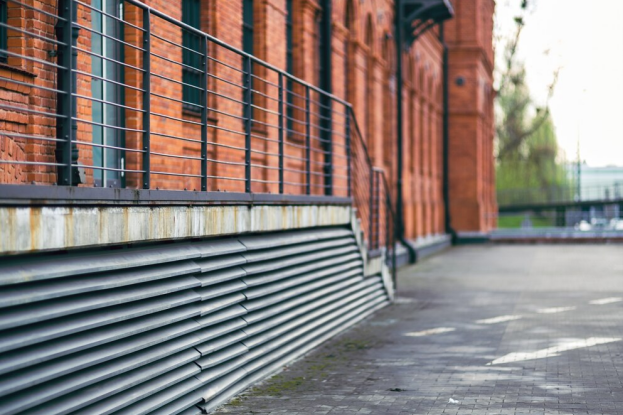
Additionally, architectural louvers are inspected as part of the HVAC system to ensure they are installed and functioning properly. These louvers facilitate airflow and protect the HVAC system from debris and weather-related damage.
Roofing Problems

Commercial building roofs vary wildly from company to company, but they must be well maintained for their health and utility. Inspections will look for leaking, unevenness in the roof’s flat planes, and the shingles’ appearance.
If you’re considering adding a roof garden or other space for employees or clients to sit and relax, bring it up to the inspector. They’ll tell you if that’s possible for your building and what changes will be necessary.
Fire Safety Compliance
Safety and compliance with regulations are major concerns in commercial building inspections. Fire safety is a top priority, with inspectors checking for the presence and condition of fire alarms, sprinkler systems, fire extinguishers, and clear emergency exits. They also ensure that fire doors and other safety features are functioning properly.
Accessibility compliance is also evaluated, with inspectors assessing whether the building meets the Americans with Disabilities Act (ADA) standards for accessible entrances, restrooms, and other facilities. Code violations are identified and reported, including lack of proper permits and non-compliance with local building codes and environmental regulations.
Environmental Concerns

Environmental concerns are an important aspect of commercial building inspections. Older buildings may contain hazardous materials such as asbestos, which poses health risks if disturbed. Inspectors check for asbestos in insulation, flooring, and other materials and recommend testing and abatement if necessary.
Mold is another significant issue, as it can cause health problems and damage to the building. Inspectors look for signs of mold growth, often caused by moisture problems, and recommend remediation strategies. Lead paint, commonly found in older buildings, is also tested, with inspectors guiding safe removal or containment.
Interior Condition
When inspecting interior spaces, a variety of potential issues are considered. Flooring is checked for wear and tear, including loose tiles or frayed carpets that could pose safety hazards. Ceilings are examined for water damage, cracks, and structural problems, focusing on the stability of suspended ceilings. Walls are assessed for damage, mold, and proper insulation, ensuring they meet fire safety standards.
These are evaluated if the building includes features like demountable glass partitions. These partitions create flexible office layouts, so inspectors check that they are installed and functioning correctly without any alignment issues or damage to the glass panels.
Commercial Building Inspections Are a Must
Even if you’re not planning on selling your commercial property, a commercial inspection can give you a clear-cut view of what needs to be corrected and help you maintain the building’s value. Consider these points, and check out Advantage NC to learn more.
Author Bio
Brian Jeffries is a freelance writer who loves sharing his knowledge and expertise on construction projects and materials. He lives in Winter Park, Florida, where he enjoys spending time with his wife and working on projects in his spare time. Brian’s work as a freelance writer can be found on Building Product Advisor, a construction industry resource site.
Dave Park
Advantage Home Inspection Raleigh, NC
Your “Home Inspector Near Me“
advantagenc.com

Recent Comments