
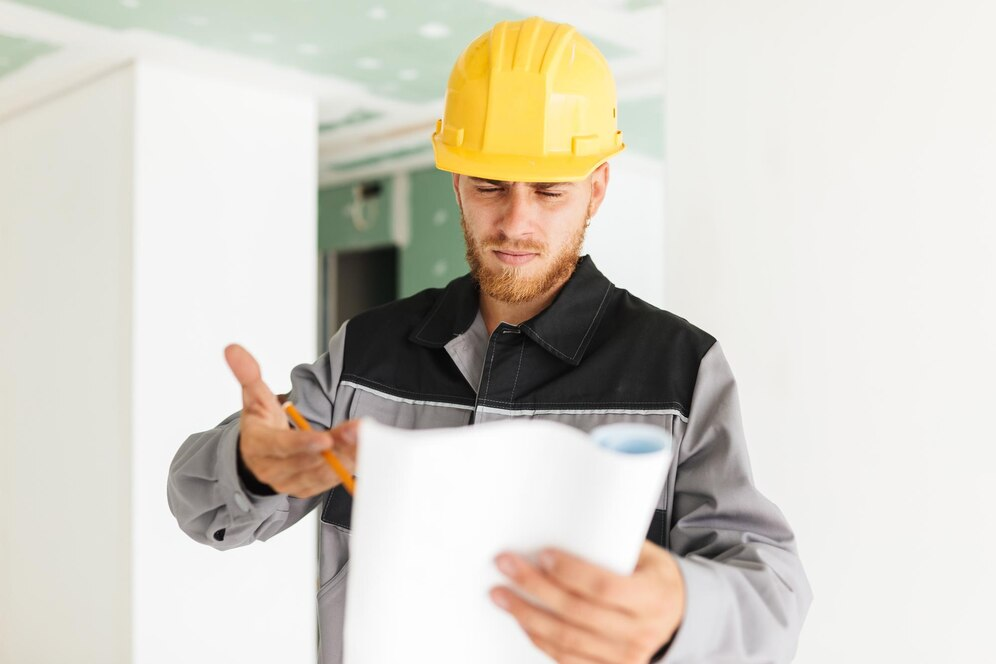
Preparing Your Commercial Property for an Inspection
Understanding the Purpose of the Inspection
Commercial property inspections can be conducted for various reasons, including routine maintenance checks, compliance with safety regulations, or preparation for a sale or lease. Understanding the purpose of the inspection helps tailor your preparation efforts to meet specific requirements. Inspections typically assess the condition of the property, verify adherence to safety codes, and identify potential issues that need addressing.
Step-by-Step Preparation Guide
Anyone can prepare their commercial property for inspection. Follow these tips, ensure you make any repairs as complete as possible, and watch your property gain value quickly.
1. Review Inspection Requirements
Begin by familiarizing yourself with the inspection criteria. Different inspections have different focuses, such as structural integrity, safety compliance, or environmental regulations. Obtain a checklist or guideline from the relevant authorities to understand what will be evaluated. This knowledge ensures you can address specific areas that the inspector will scrutinize.
2. Conduct a Pre-Inspection Walkthrough
Before the official inspection, perform a thorough walkthrough of the property. This proactive step helps identify and rectify potential issues in advance. During the walkthrough, pay special attention to fire safety measures. For instance, ensure that the roof shingles are fireproof roof shingles to reduce fire hazards. Verify that all safety equipment, such as fire extinguishers and smoke detectors, is in good working order.

3. Documentation and Records
Organize all necessary documentation and records. This includes maintenance logs, safety inspection reports, and certificates of compliance. Proper documentation demonstrates your commitment to maintaining the property and adhering to regulations. If your property has fire-rated glass doors, ensure you have the relevant certification to prove their compliance with safety standards.
4. Safety and Accessibility
Safety and accessibility are critical components of any commercial property inspection. Make sure all emergency exits are clearly marked and unobstructed. Accessibility features, such as ramps and elevators, should be operational and compliant with the Americans with Disabilities Act (ADA). Proper signage and functioning safety equipment are essential.
5. Structural and System Checks
Inspect the structural elements of the property, including the foundation, walls, and roofing. Ensure there are no visible signs of damage or deterioration. Additionally, check the property’s systems, such as plumbing, electrical, and HVAC, to ensure they are functioning correctly. Pay attention to features like commercial handrail systems, ensuring they are securely installed and meet safety standards.
6. Cleanliness and Maintenance
A clean and well-maintained property not only makes a good impression but also helps prevent potential issues. Ensure that common areas, restrooms, and workspaces are clean and free of clutter. Regular maintenance tasks, such as replacing burnt-out light bulbs and fixing leaky faucets, should be up to date.
7. Prepare Your Team
Your staff should be aware of the upcoming inspection and understand their roles in the preparation process. Assign specific tasks to team members to ensure all areas are covered. Provide training if necessary, especially regarding safety protocols and emergency procedures.
8. Address Specific Concerns
If there are known issues or areas of concern within the property, address them before the inspection. This might include repairing damaged flooring, fixing broken windows, or resolving any pest problems. Taking care of these issues proactively shows the inspector that you are diligent in property management.
9. Final Walkthrough
Conduct a final walkthrough a day or two before the inspection. This helps ensure that all preparation steps have been completed and nothing has been overlooked. Double-check critical areas such as safety features, structural integrity, and cleanliness. Make any last-minute adjustments or repairs as needed.
10. Stay Calm and Professional
During the inspection, maintain a calm and professional demeanor. Be ready to answer any questions the inspector may have and provide access to all areas of the property. Transparency and cooperation can positively influence the inspector’s assessment.
Post-Inspection Actions
After the inspection, review the report thoroughly. If there are any deficiencies noted, develop a plan to address them promptly. Prioritize critical issues that impact safety and compliance. Keep records of the corrective actions taken and schedule follow-up inspections if necessary. Continuous improvement and regular maintenance can prevent future problems and ensure the property remains in good condition.
A Good Inspection Could Make Or Break Any Sale

Preparing your commercial property for an inspection is a multi-faceted process that involves understanding the inspection requirements, conducting thorough checks, and maintaining documentation. By following a systematic approach and addressing potential issues proactively, you can ensure that your property meets all necessary standards and remains a safe and compliant environment for tenants and visitors. Regular inspections and maintenance not only help in compliance but also enhance the property’s value and reputation.
Nobody wants a bad inspection to ruin their chances of selling their property at a high return on investment! Follow these tips, and check out Advantage NC for more advice.
Author Bio
Brian Jeffries is a freelance writer who loves sharing his knowledge and expertise on construction projects and materials. He lives in Winter Park, Florida where he enjoys spending time with his wife and working on projects in his spare time. Brian’s work as a freelance writer can be found on Building Product Advisor, a construction industry resource site.
Dave Park
Advantage Home Inspection Raleigh NC
Your “Home Inspector Near Me“
advantagenc.com

Recent Comments